
If you missed Monday’s commission meeting, buckle up — it was a full one. Let me walk you through what happened, because there’s a lot here that affects your wallet, your neighborhood, and how much say you get in decisions that shape Knox County.
Emergency Ordinance to Pause Flock Cameras: Failed to Reach Agenda
(Time Stamp 21:08) Early in the meeting, Commissioner Thompson proposed an emergency ordinance that would have paused the Flock camera rollout until a real regulatory framework could be put in place. But an emergency ordinance needs a unanimous vote just to get added to the agenda — and it didn’t get that. So, it was not added.
Flock Cameras: What Was Actually Discussed and What Passed
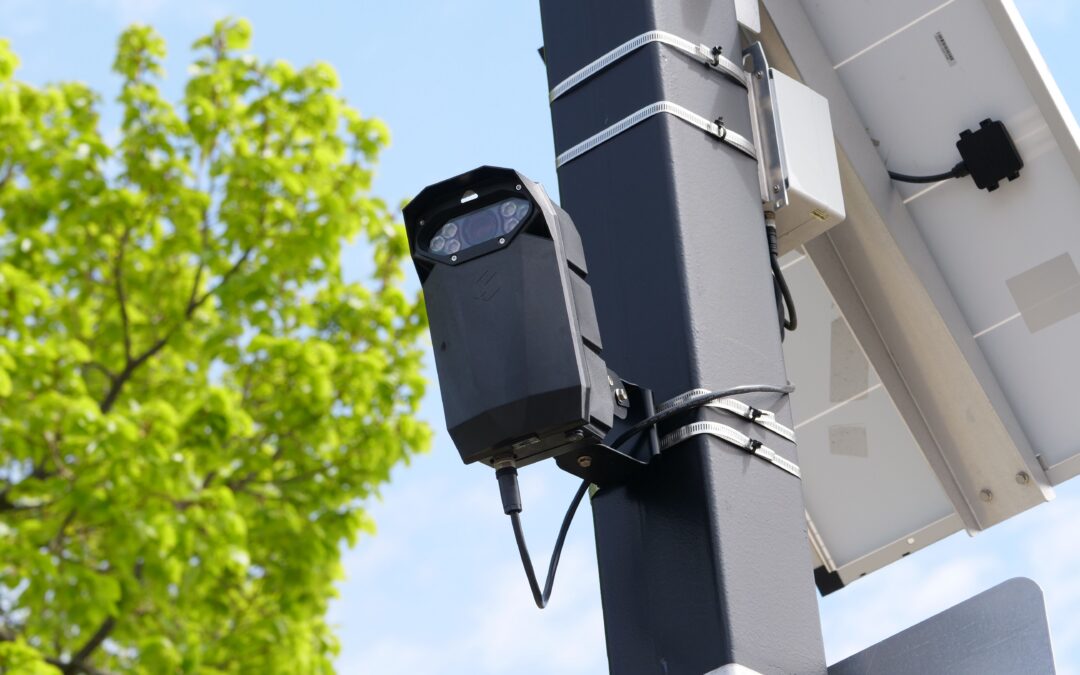
(2:37:26) Separately from that failed emergency ordinance, the broader Flock camera discussion took up a significant part of the meeting. This wasn’t commissioners going after law enforcement — several were clear that they support our police and sheriff’s department. What they’re worried about is something else entirely.
(2:48:26) Mayor Jacobs laid out just how different this new technology is from the old license plate readers. These Flock cameras use AI to build a digital “fingerprint” of your car and store it for 30 days in a database — one that can be accessed without a warrant. He emphasized there’s basically no federal rulebook governing any of this, and the state framework we do have dates back to 2014, long before this technology existed. The scale of Flock cameras is staggering : according to Mayor Jacobs, just 450 of these cameras existed nationwide in 2023. Now there are over 100,000 — an 85% jump since last August alone.
(2:51:49) Here in Knox County, the mayor said he’d only signed off on one thing — a single camera at the John Sevier Convenience Center — and that permission has already been pulled back. He also raised a real concern about how this got funded in the first place: the grant was called the “Violent Crime Intervention Fund,” but when it was presented to commission back in November, Flock wasn’t even mentioned by name.
Commissioner Russell pointed out that the sheriff’s department’s actual policies and procedures for using this technology weren’t even finished when they approved the grant. She also expressed concern that leaning on these cameras could let law enforcement sidestep the normal process of going to a judge and establishing probable cause prior to obtaining a warrant to get the information readily available with Flock cameras.
Commissioner Thompson added more scope: we’re not just talking about 270 cameras — this includes nine drones, plus data-sharing with cameras from HOAs, businesses, and residents. Commissioners were only told on July 6 that the full rollout would happen in August.
What did pass — unanimously — was a separate, already-scheduled resolution, R-26-7-905, calling for a comprehensive review of policies, safeguards, and oversight before this technology rolls out further. One line from that discussion stuck with me: community input shouldn’t be an afterthought; it should be step one.
Commissioner Jackson also announced he’s sending a letter to Flock’s CEO, asking him to personally come explain the company’s procedures at the August meeting. I’ll be watching for that follow-up.
John Sevier Workforce Housing
(1:38) Also discussed at the meeting was R-26-7-901, allowing the Industrial Board of Knox County the authority to wave payments in lieu of taxes for an 80-unit townhome development off John Sevier. Half of the units would be designated “workforce housing” — meaning affordable to households earning 60-120% of the area median income, per the Urban Land Institute’s definition. The developer is asking for a 20-year deferment of 50% of the property tax assessment of those units.
Commissioner Fox pushed back hard, pointing out that these kinds of tax breaks are usually reserved for blighted property — and this site is in a prime location. His argument: giving this tax break effectively makes the rest of us subsidize new residents’ housing costs, at a time when the county is already tight on resources. After debate over whether the rent reduction actually justified the tax break, commissioners deferred this for 30 days and will hold a workshop led by Commissioner Fox to dig in further.
Wheel Tax Repeal: Failed
(3:44:44) Commissioner Jay proposed repealing the vehicle registration fee (wheel tax), arguing Knox County residents are being double-taxed. But Commissioner Russell and Commissioner Jackson both pushed back, saying the county can’t afford to lose that revenue and has no alternative source to replace it. This failed.
New Protection Against Corporate Home-Buying
(3:50:42) – Ordinance O-26-7-102, This ordinance, introduced by Commissioner Rawls, restricts large out-of-state corporations and hedge funds from buying up Knox County neighborhoods and turning them into rental portfolios — capping ownership at 100 homes per entity. There was some disagreement over the exceptions built into the ordinance, but it passed 9-2 on first reading. This is one worth watching as it comes back for a second reading.
More Transparency on the Budget Process
(4:15:26) Finally, Commissioner Jackson brought forward O-26-7-103, requiring the county budget to be adopted in two readings instead of one. As he put it, this gives commission “an opportunity to be more transparent, be more open, and communicate better.” Commissioner Russell asked for a 30-day postponement to work out timeline details, but that request failed, and the ordinance passed on first reading as originally written.
Bottom Line
A lot happened in one meeting — surveillance policy, housing subsidies, taxes, corporate land ownership, and government transparency all landed on the same agenda. We’ll be following the Flock camera situation especially closely heading into August.
As you can see, we’ve added time stamps onto this post so you can go directly to the section of the meeting you want to listen to without watching the entire meeting. You can access that video by clicking here.